
POLICY & STANDARDS
Battery inspection and maintenance
Changed from "Optional" to "Required"
The nation is progressively embedding the safety and health of power batteries into mandatory standards and annual inspection protocols—battery status is no longer a black box.
SOCE LIMITS
State of Health (SOCE) Limits: Your Battery's "Newness" Is Defined by National Standards
According to GB/T 46991.1-2025 "Evaluation Procedure for State of Health of Power Batteries for Electric Vehicles," a unified national quantitative standard has been established for the state of health of power batteries.
≥ 82%
5 years / 10 thousand km
Health Status (SOCE) Limits
We recommend scheduling a professional evaluation if the value falls below this threshold.
≥ 75%
8 years / 16 thousand km
Health Status (SOCE) Limits
We recommend scheduling a professional evaluation if your value falls below this threshold.
≥ 70%
10 years / 20 thousand km
Health Status (SOCE) Limits
We recommend scheduling a professional evaluation if the value falls below this threshold.
Data source: GB/T 46991.1-2025 "Evaluation Procedure for Health Status of Power Batteries in Electric Vehicles" · If below the specified limit, schedule a professional assessment.
STANDARDS IN DETAIL
Four standards and one management rule, explained in plain language for car owners.
- Thermal runaway requirements are upgraded from "alert 5 minutes before ignition" to "no fire or explosion within 2 hours."
- Added bottom-impact testing to evaluate battery safety after underbody contact and collisions.
- Safety testing after 300 additional fast-charging cycles; incorporate fast-charge degradation into safety assessments.
- Registered vehicles already in circulation are not subject to retroactive rules; they only need to comply with current annual inspection requirements.
Relationship with the vehicle owner and their wallet
While governments and automakers ensure battery safety, regular inspections and maintenance are still needed to manage degradation and consistency issues during daily use.
- Safety inspection of power battery charging is now officially included in vehicle inspection items.
- Lithium iron phosphate charging/discharging temperature must not exceed 65°C; lithium ternary battery must not exceed 60°C.
- Annual inspections set the safety baseline, while routine maintenance manages overall health; together, they complement each other.
Relationship with the vehicle owner and their wallet
Battery health checks now integrated into the vehicle wellness program. Get a professional battery inspection before your annual test to better understand temperature and charging performance.
- SOCE now has a unified national standard for quantifying its health status.
- 5 years/10 10,000 km ≥ 82%, 8 years/16 10,000 km ≥ 75%, 10 years/20 10,000 km ≥ 70%.
- If below the corresponding limit, schedule a professional evaluation.
Relationship with the vehicle owner and their digital wallet
Your battery's "like-new" status is now defined by a national standard—providing clear benchmarks for pricing and warranty disputes in the used EV market.
- First to establish comprehensive requirements for battery state of health (SOH) assessment based on operational data.
- Provides scientific basis for battery inspection, repair, insurance damage assessment, and used car evaluation.
- Non-destructive testing in minutes without package removal has become the standard technical approach.
Relationship between the vehicle owner and the owner's wallet
Non-destructive inspection has shifted from "merchant claims" to a standard process, with third-party reports playing an increasingly critical role in transactions and damage assessment.
- Power battery: traceable source, trackable destination.
- Retired batteries must be sent to authorized recycling channels.
- Improper disposal may result in residual value loss and legal risks.
Relationship between the vehicle owner and their wallet
Dispose of used batteries through compliant channels to fulfill your environmental obligations and avoid residual value loss and legal risks.
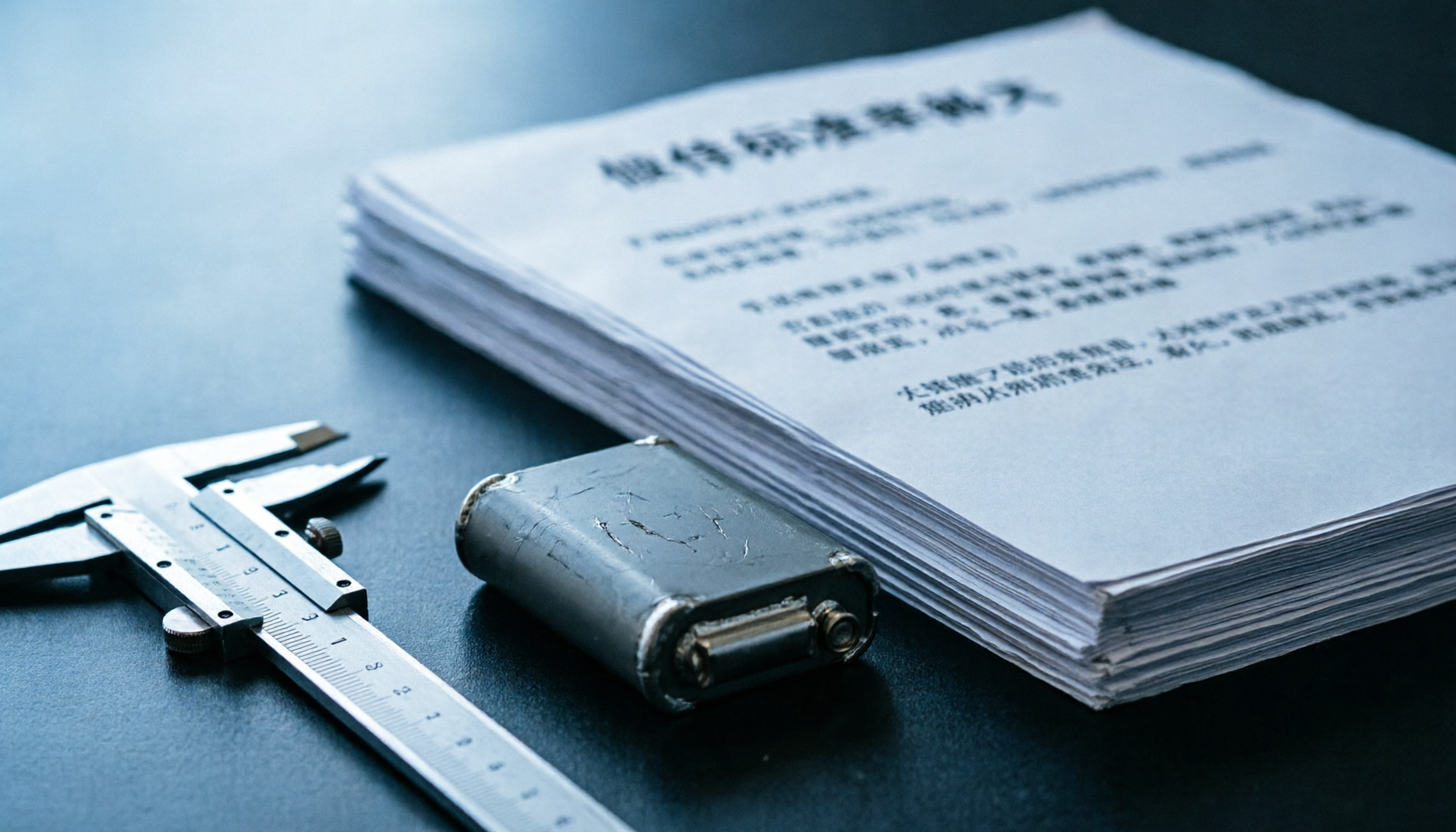
Meets national standards, ensures everyday health.
Annual inspections safeguard safety compliance, while routine maintenance manages overall health. Mandatory national standards ensure battery safety, but degradation and consistency issues during daily use require regular testing and upkeep.
Source: Official reports from the State Council of China, China Quality News, People's Daily Online, and national standard documents. This page cites only publicly available provisions and limits; it does not constitute legal advice.